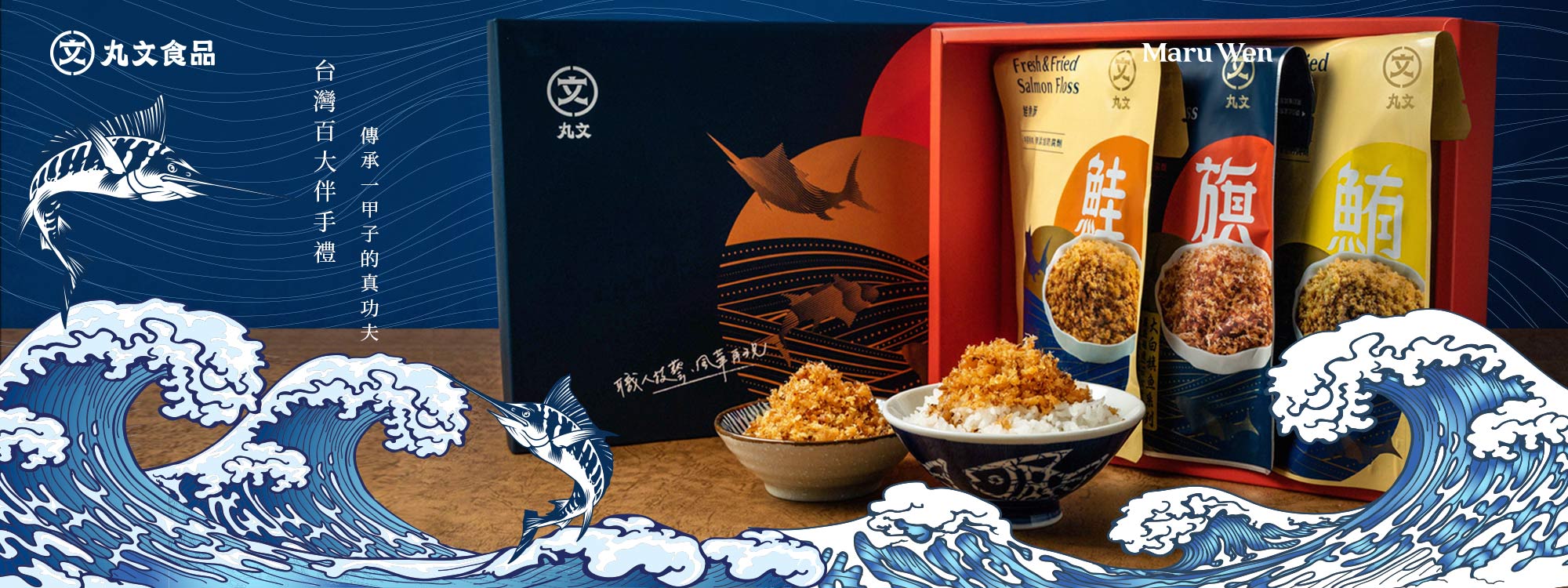
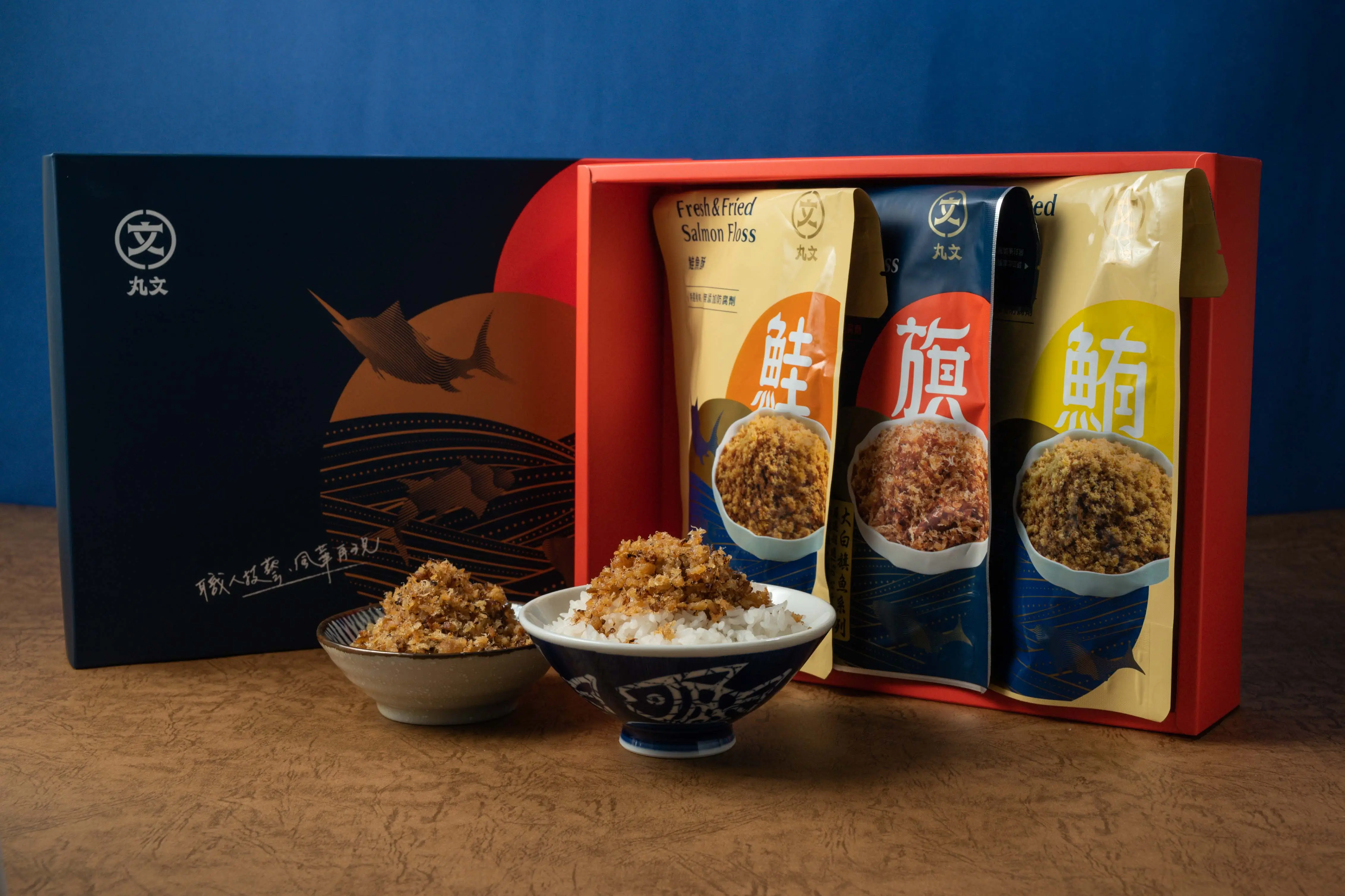
Tuna floss snack packs , salmon floss snack packs, and Marlin floss snack packs show the different types. Each product is safe to store at room temperature. Brands outsource this work because building a factory costs millions and takes years. An OEM brings instant know-how. This shelf-stable food category keeps growing. Fish snacks offer protein-rich convenience. A good partner manages complex retort cooking and moisture control. Brands skip cold-chain shipping completely. The next part explains why outsourcing beats owning a factory.
Key Takeaways
- An OEM handles production, so your team can focus on marketing and sales.
- Working with an OEM partner lowers startup costs and lets you try small test runs before placing large orders.
- OEMs use retort cooking, moisture control, and special packaging to keep snacks fresh.
- A solid HACCP plan and regular checks keep food safe and help customers trust your brand.
- OEMs can create custom recipes, packaging, and branding to match your specific product idea.
- Pilot runs let you test products with real customers before a full launch.
- Before you partner with an OEM, look into their certifications, past recalls, and contract terms.
What a Shelf-Stable Seafood Snacks OEM Provides
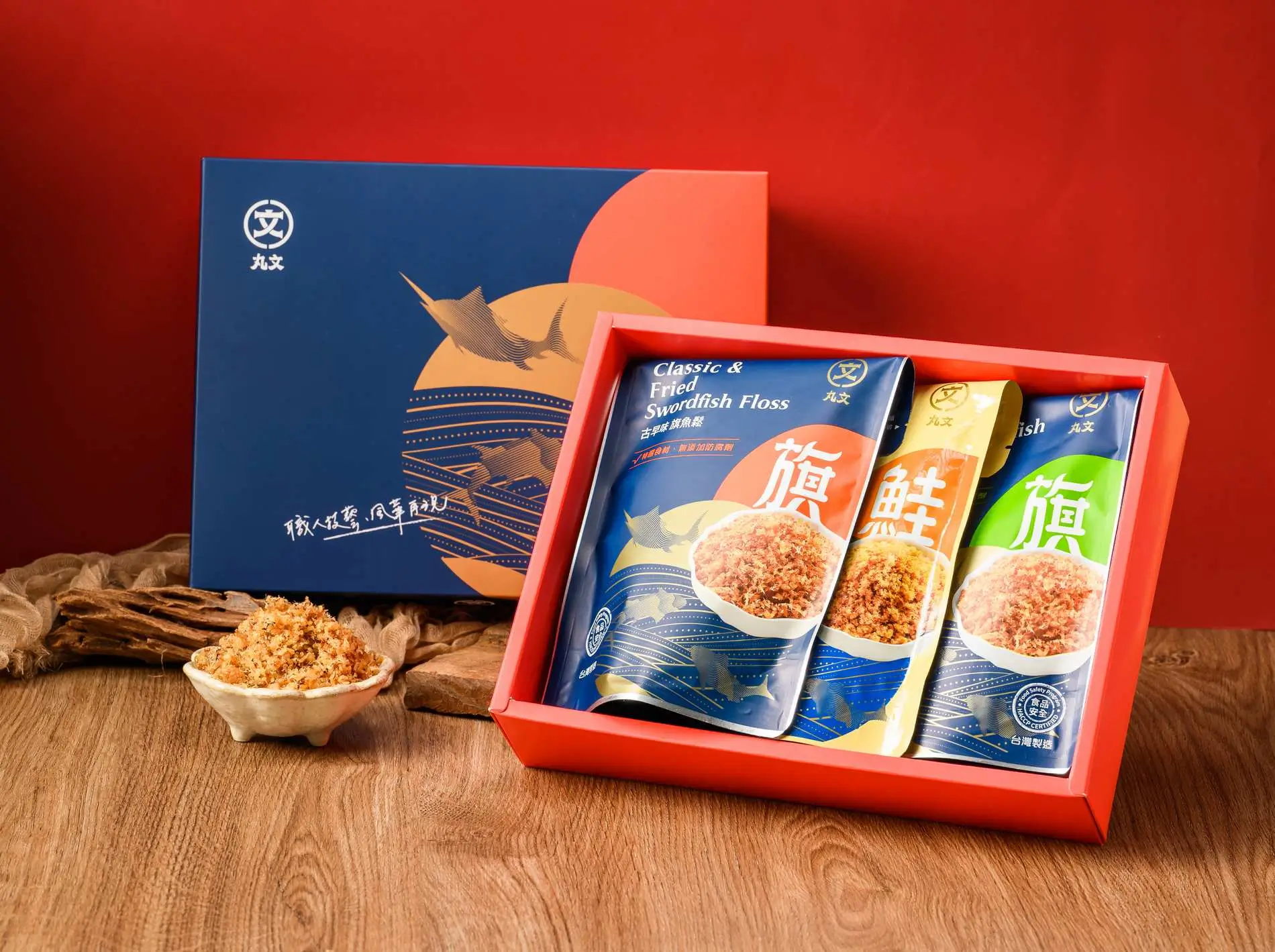
A shelf-stable seafood snacks OEM works behind the scenes as a manufacturing partner. The brand owns the customer relationship, while the OEM handles formulation, processing, packaging, and compliance. Wan-Wen show how this model helps fresh companies enter the market. These brands sell fish floss without owning any factory equipment. The OEM manages every technical detail, so the brand can focus on storytelling and getting products into stores.
Product Formulation and Recipe Development
Custom Flavors, Textures, and Nutrition Profiles
The OEM's food scientists create recipes from scratch. They adjust seasonings, salt levels, and spice blends to match a brand's vision. A brand might want a smoky salmon jerky or a lemon-pepper tuna pouch. The OEM tests different formulas until the flavor hits the target. Each version gets a taste panel review. The team refines the recipe based on feedback about heat, sweetness, and umami.
Texture matters just as much as taste. Some consumers want firm, chewy fish jerky. Others prefer flaky tuna in a pouch. The OEM controls cooking times and moisture levels to achieve the right mouthfeel. Nutrition profiles also get careful attention. Brands can request specific protein counts, lower sodium, or added omega-3s. The OEM adjusts ingredients to meet these goals. Clean-label requests mean removing artificial preservatives or colors. The food science team finds natural alternatives that keep quality high.
Ingredient Sourcing and Cost Optimization
The OEM buys ingredients in large volumes. This purchasing power lowers costs for the brand. Wild-caught tuna, farm-raised salmon, and shrimp come from vetted suppliers. The OEM builds relationships with these suppliers over years. This means consistent quality and reliable delivery. Each supplier meets strict sustainability and safety standards.
Cost optimization goes beyond raw ingredients. The OEM finds ways to reduce waste during processing. They also choose packaging materials that protect the product without raising the price. These savings pass to the brand, which can then price the snack competitively. The OEM tracks market prices for seafood and adjusts sourcing strategies. This proactive approach protects the brand from sudden price spikes.
Manufacturing, Filling, and Packaging Services
Retort Pouch Production Capabilities
Retort pouch production stands at the heart of shelf-stable seafood manufacturing. The process places raw seafood into a pouch, seals it, and cooks it under high pressure and heat. This retort method kills harmful microorganisms while keeping the fish moist and flavorful. The sealed pouch prevents new contamination after cooking. Retort packaging requires specialized equipment that maintains precise temperature control throughout the cycle.
Modern retort systems handle thousands of pouches per hour. Each pouch receives the same precise cooking cycle. Temperature probes monitor every batch. The result is a consistent product with a long shelf life. Tuna and other seafood in retort pouches stay fresh for years without refrigeration. The retort process also preserves the nutritional value of the seafood. Vitamins and minerals remain intact because the cooking happens inside the sealed package.
Compliance, Documentation, and Quality Oversight
HACCP Support and Regulatory Documentation
Food safety starts with a written plan. The OEM develops a Hazard Analysis and Critical Control Points (HACCP) program for every product. This plan identifies each step where contamination could occur. It sets critical limits for cooking temperature, pressure, and time. Monitoring procedures catch any deviation before product leaves the facility. The HACCP plan covers raw ingredient receiving through finished product storage.
The OEM also prepares regulatory documentation. This includes FDA registration, ingredient declarations, and nutrition fact panels. The OEM updates these documents when recipes change. The brand receives complete files for retail buyers and regulatory agencies. This documentation package gives retailers confidence in the product's safety and compliance.
Finished Product Testing and Traceability
Every production batch undergoes testing before shipment. Microbiological tests check for pathogens like Listeria and Salmonella. Shelf-life studies confirm the product stays safe and tasty until the expiration date. The OEM keeps records of every test result. These records form part of the quality assurance file for each batch.
Traceability links each finished package back to its raw ingredients. If a supplier issues a recall, the OEM can identify affected batches quickly. This system protects consumers and shields the brand from liability. The OEM maintains these records for years, ready for audits or inspections. The stability of the finished product depends on every step working together. Proper sealing keeps oxygen out. Barrier packaging blocks moisture and light. The retort process eliminates dangerous bacteria. When all elements function correctly, the snack remains safe and delicious for months on the shelf. A qualified OEM takes full responsibility for these systems. The brand gains confidence knowing experts handle food safety and quality. This partnership lets the brand focus on marketing, distribution, and building customer loyalty.
Why Brands Choose an OEM Instead of Owning a Factory
Building a seafood processing plant costs millions of dollars and takes years to get approved. Most snack brands cannot pay for that. A shelf-stable seafood snacks OEM gives them a smarter choice. The brand gets full production power without buying any equipment. This partnership changes how new products reach the market.
Lower Startup Costs and Faster Scale-Up
No Facility, Equipment, or Line Investment
A new factory needs money for buildings, retort machines, filling lines, and cold storage. These costs easily hit eight figures before the first product ships. An OEM removes this whole expense. The brand pays only for the runs it orders. This pay-per-use model saves cash for marketing, research, and store placement. The financial risk moves to the manufacturer, who already runs proven facilities.
The savings go beyond building. Ongoing costs like utilities, upkeep, and skilled workers also vanish. The OEM folds these costs into its per-unit price. Brands get steady expenses that grow with actual sales. This setup fits new companies that cannot predict demand.
Pilot Runs Before Full Commercial Production
OEM partnerships let brands test products before big orders. A pilot run might make just a few hundred pouches for consumer testing. The brand shares samples with focus groups or sells them at local farmers markets. Feedback guides recipe tweaks before the full launch. This step-by-step process prevents costly errors.
Pilot runs also check the manufacturing process. The OEM records cooking times, temperatures, and packaging specs during these small batches. Once the formula works, scaling to full production is easy. The brand avoids ordering thousands of units for an untested product.
Access to Specialized Seafood Processing Knowledge
Food Science Expertise and Production Efficiency
Seafood processing needs special skills that most food brands lack. Tuna brings unique issues with color and freshness. Skilled OEMs use carbon monoxide or filtered wood smoke pretreatment to keep color stable during storage and shipping. Studies show that filtered wood smoke with 30–40% carbon monoxide is allowed for fish pretreatment. This method boosts redness and microbial stability in fillets without changing pH or drip loss. A brand cannot copy this skill without years of research.
Salmon jerky needs different know-how. Makers must control pathogen growth and toxin formation during drying and storage. HACCP rules specifically target these risks for salmon jerky. Canned tuna requires checks for scombrotoxin to prevent safety hazards. The OEM applies these safety systems to every batch. This knowledge keeps the final product safe and stable for its whole shelf life.
Keep Your Team Focused on Brand Building
Marketing, Sales, and Retail Relationships
Brand teams have limited time and energy. Every hour spent on production is an hour lost to marketing. The OEM handles manufacturing details, freeing the brand to focus on getting customers. Marketing campaigns, social media posts, and influencer deals build awareness. Sales reps build ties with grocery buyers and distributors. These actions directly bring in revenue.
Retail placement needs strong packaging and clear messages. The brand team designs the look while the OEM handles the technical packaging needs. This split produces better results in both areas. The brand tells stories that connect with shoppers. The OEM makes sure the product arrives in perfect shape.
Consumer Insights and Product Positioning
Good brands listen to their customers. Feedback shapes new flavors, portion sizes, and product types. The brand team runs surveys, checks reviews, and tracks buying patterns. These insights guide the next product version. The OEM turns those insights into recipes that can be made.
Product positioning also gains from this team-up. The brand spots market gaps and consumer needs. Maybe customers want a high-protein snack with no artificial stuff. The brand shares this vision with the OEM, whose food scientists create a clean-label formula. This teamwork produces items that meet real demand. The brand keeps the customer relationship while the OEM handles production. This setup builds a full chain from consumer insight to finished shelf-stable food product. The brand gets speed, flexibility, and skill without owning a factory. This model explains why so many successful snack companies pick partnership over building.
How OEMs Make Seafood Snacks Shelf Stable
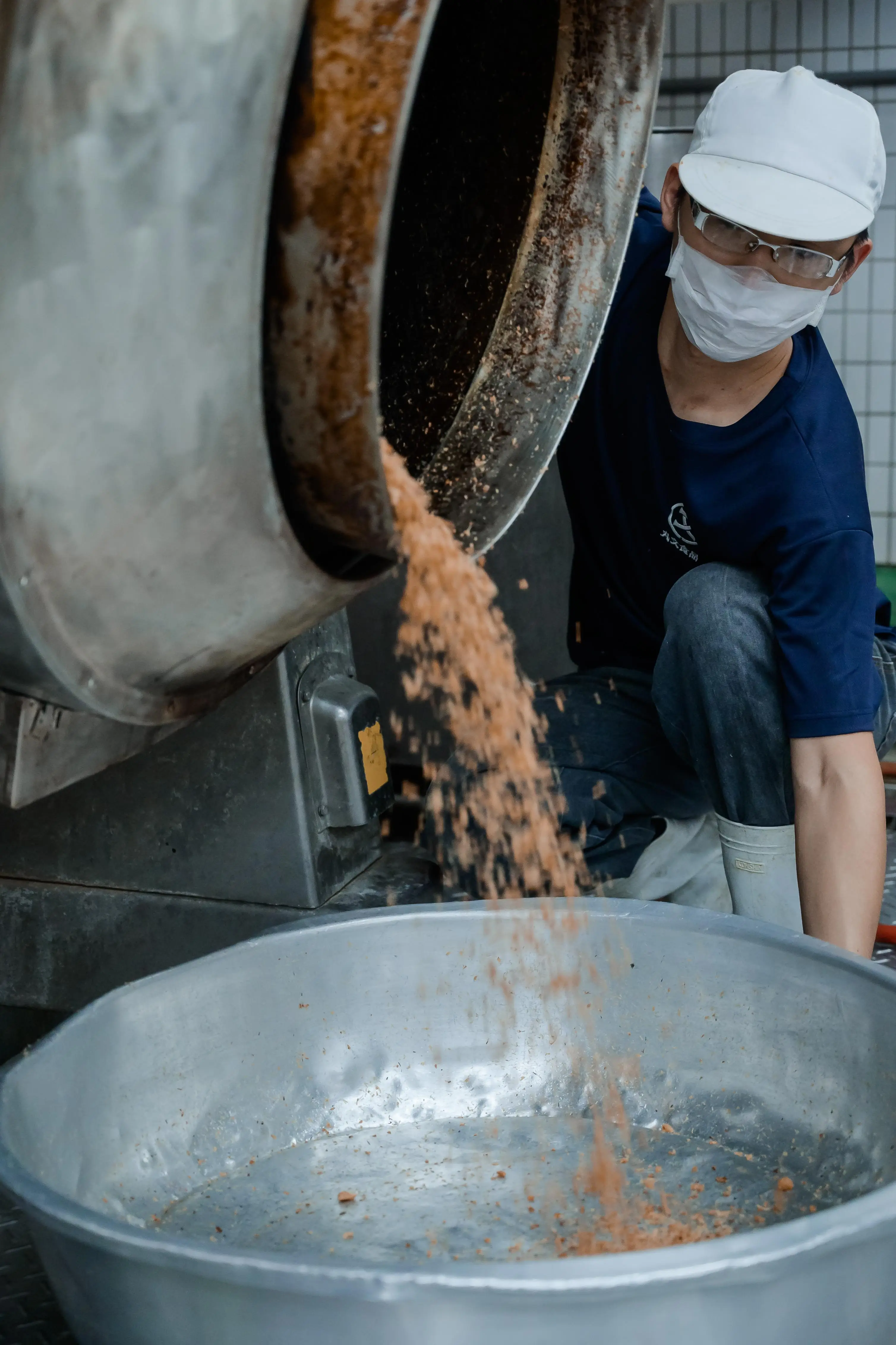
Shelf-stable seafood snacks use three main methods to stay fresh: retort processing, moisture control, and barrier packaging. Each method stops a different way food goes bad. Together, they let products sit on store shelves for over a year without cooling. This stability lowers spoilage risk and cuts shipping costs a lot.
The Retort Pouch Process for Ready-to-Eat Seafood
High-Heat Pressure Cooking in Sealed Retort Pouches
The retort pouch process starts with raw seafood placed inside a sealed pouch. The pouch then goes into a huge pressure cooker called a retort. Inside, the sealed package handles extreme conditions that would break normal packaging. This method gives the advantages of the retort pouch: full cooking inside the final package, which stops any contamination after cooking.
Parameter
Seafood Products Value
Processing Temperature | 240–255 °F (116–124 °C)
Typical Process Time | 35–60 minutes
Target F₀ Value | 4–6
Shelf Life | 12–18 months
These numbers define commercial sterility for ready-to-eat seafood. The retort gets much hotter than boiling water, creating pressure that pushes heat into every piece of fish.
Killing Microorganisms While Preserving Flavor and Texture
The most heat-resistant germ in low-acid foods, Clostridium botulinum, needs at least 3 minutes at 250°F (121°C), with a D-value of 0.21 minutes (12.6 seconds) at this temperature. Real processing times go well past this minimum to account for heat penetration differences and add safety margins. The F₀ value shows the equal sterilization time at 250°F, with normal commercial processes giving F₀ values between 3 and 8 based on product type and quality goals.
For seafood snack pouches, the target F₀ of 4–6 ensures a safety margin above the 3-minute minimum. This confirms that the 240–255°F range and 35–60 minute processing time are key to reaching commercial sterility. The sealed space locks in moisture and natural juices, so the fish stays tender instead of drying out.
Moisture Control and Modern Drying Techniques
Reducing Water Activity to Stop Bacterial Growth
Water activity measures the free water available for microbial growth. Bacteria need high water activity to multiply. Lowering this level below critical limits stops spoilage organisms completely.
Water Activity (aw)
Microbial Growth
0.85 | Molds (e.g., Aspergillus clavatus) can grow; no bacteria are listed at this level.
0.60 | No microbial proliferation occurs.
By lowering water activity below 0.85, the growth of all bacteria is stopped. At 0.60 and below, no microbial proliferation occurs, ensuring product stability. This moisture control extends shelf life without chemical preservatives.
Vacuum Microwave Drying for Better Texture and Efficiency
Radiant Energy Vacuum (REV™) technology represents a modern way to remove moisture. This vacuum microwave drying equipment reaches low water activity and microbial safety through several methods:
- Mechanism: Uses controlled electromagnetic energy in a low-pressure space. The vacuum lowers the boiling point of water, allowing evaporation at lower temperatures, while microwaves heat moisture evenly throughout the product.
- Microbial Safety: The internal, uniform heating can both dry and kill bacteria more effectively, reducing viable counts. The mild heat damages bacterial membranes and destroys essential enzymes.
- Homogeneous Drying: Energy penetrates volumetrically, removing cold spots where bacteria could survive.
- Speed: Processes products in a fraction of the time of freeze drying (e.g., 1-2 hours vs. 24 hours), reducing contamination chances.
- Outcome: Achieves microbial safety and extended shelf life without the nutrient loss of freeze drying or the flavor damage of traditional thermal drying.
This technology creates crispy textures that consumers expect from modern seafood snacks.
Packaging Systems That Extend Shelf Life
Barrier Trays and Protective Pouches
Packaging plays a key role in shelf life extension. Even perfectly processed seafood will spoil if the package lets oxygen or moisture inside. High-barrier retort pouches use multiple layers of special films to block these threats. Oxygen barriers such as EVOH and PVDC prevent oxidation, rancidity, and spoilage. Metallized films and silicon oxide coatings block moisture exchange, keeping optimal humidity inside the package.
Category
Examples
Function
Oxygen barrier materials | EVOH, PVDC | Low OTR; prevent oxidation, rancidity, and spoilage
Moisture barrier materials | Metallized films, silicon oxide coatings | Low MVTR; prevent moisture exchange and maintain optimal humidity
Oxygen scavengers | Iron-based, enzyme-based, polymer-based | Actively remove oxygen via chemical reactions
Moisture control systems | Desiccants (silica gel, clay), moisture-absorbing sachets, humidity-regulating films | Regulate humidity; prevent condensation and mold growth
Antimicrobial agents | Silver nanoparticles, essential oils (oregano, thyme), nisin, chitosan | Inhibit or kill microorganisms
Integration methods | Direct incorporation, coating/spraying, encapsulation, grafting | Embed antimicrobial agents into packaging materials
These packaging materials provide barrier protection that keeps the product fresh from the factory to the consumer's pantry.
Active Packaging That Controls Moisture and Microbes
Active packaging goes beyond passive barriers. These systems actively interact with the food environment. Oxygen scavengers absorb leftover oxygen after sealing, removing the gas that causes rancidity. Moisture absorbers control humidity inside the package, preventing condensation that could support mold growth. Antimicrobial agents embedded in the film stop microbial growth on or near the surface. Natural antioxidants move into the headspace to slow oxidation.
This active approach provides shelf life protection that passive barriers alone cannot achieve. The mix of strong oxygen barrier properties and active scavenging ensures the product keeps quality throughout its stated shelf-life. Proper sealing of the package completes the protection system. A perfect seal stops any exchange between the inside and outside environment. The retort packaging process checks seal integrity during cooking, as any weak seal will fail under the extreme pressure. This quality check happens automatically with every batch.
The result is a shelf stable food product that moves through the supply chain without cold storage. Retailers save money on refrigeration. Consumers gain convenience. The brand gains a product with proven stability that earns trust with every purchase.
Food Safety and Compliance in OEM Production
Food safety is the most important part of every shelf stable seafood snack program. A good OEM takes full charge of safety systems. This gives brands the trust they need to sell ready-to-eat products. These systems keep consumers safe and protect brands from legal trouble. The OEM handles every detail, from written plans to final batch testing.
HACCP Plans and Preventive Controls
Finding Hazards at Each Processing Step
A Hazard Analysis and Critical Control Points (HACCP) plan shows every step of production. The OEM looks at raw ingredient receiving, storage, cooking, cooling, and packaging. Each step gets checked for biological, chemical, and physical hazards. Biological hazards include bacteria like Listeria and Salmonella. Chemical hazards cover cleaning agents and natural toxins. Physical hazards involve metal pieces or bone fragments.
The analysis finds which steps need critical control points, or CCPs. A CCP is a step where control stops, removes, or lowers a hazard to safe levels. For seafood products, retort sterilization and drying usually become CCPs. The OEM writes down each hazard and the reason for every CCP choice. This written analysis forms the base of the whole food safety program.
Setting Critical Limits and Watching Procedures
Each CCP needs a critical limit, which is a number that separates safe from unsafe. The table below shows common CCPs and their critical limits for seafood snack production.
Critical Control Point (CCP)
Critical Limit
Retort sterilization (kill step) | F0 value ≥ 3 for commercial sterility
Drying (post-kill step) | Final moisture content 8–11% to prevent mold/bacterial regrowth
The retort sterilization step must reach an F0 value of at least 3. This value shows the same sterilization time at 250°F. The drying step must bring final moisture content to 8–11%. This range stops mold and bacterial regrowth after processing.
Watching procedures check each CCP during production. Temperature probes record retort cycles all the time. Moisture meters test dried products at set times. Workers write down every reading on batch records. If a reading goes outside the critical limit, the team follows a fix-it plan. This plan might mean re-processing, holding the batch, or throwing out the product. The OEM checks all watching records before sending any batch out.
Sanitation, Allergen Controls, and Traceability
Equipment Cleaning and Cross-Contact Prevention
Sanitation programs keep production lines clean and safe. The OEM follows a detailed cleaning schedule for all equipment. Each cleaning cycle includes taking apart, washing, rinsing, and sanitizing. Teams check cleaning with visual checks and swab tests. These tests confirm that surfaces meet microbe standards before the next production run.
Allergen control needs separate rules. Seafood itself is a major allergen, so the facility must stop cross-contact with other allergens like wheat, soy, or dairy. The OEM plans production runs to reduce allergen switching. Dedicated equipment and tools stay assigned to specific allergen groups. Color-coded tools help workers avoid mixing equipment between lines. Staff get regular training on allergen risks and proper handling steps.
Raw Ingredient Tracking and Finished Batch Records
Traceability links every finished package back to its raw ingredients. Each incoming lot of fish gets a unique identifier. The OEM records supplier, harvest date, and receiving temperature for every lot. These records follow the ingredients through processing and into finished batches.
Finished batch records capture all production details. These records include cooking times, temperatures, moisture readings, and packaging data. If a supplier issues a recall, the OEM can find affected batches within minutes. This fast response protects consumers and limits brand exposure. The OEM keeps these records for years, ready for customer audits or regulatory inspections.
Product Testing and Ongoing Quality Assurance
Microbiological, Shelf-Life, and Pathogen Testing
Every production batch gets tested before shipment. Microbiological tests check for pathogens like Listeria, Salmonella, and E. coli. These tests follow established lab methods and approved protocols. The OEM sends samples to certified labs for independent checking.
Shelf-life studies confirm the product stays safe and tasty until the expiration date. These studies test products at regular times under controlled storage conditions. The OEM checks texture, flavor, color, and microbe counts throughout the study period. Results decide the final shelf life printed on each package. This testing also proves that the packaging keeps its barrier protection over time.
Third-Party Audits and Regular Inspections
Outside audits give an extra layer of assurance. Third-party auditors check the facility against known food safety standards. These audits look at sanitation practices, HACCP plan use, and record-keeping systems. Audit results give brands confidence in their manufacturing partner.
Regular inspections also come from regulatory agencies. The FDA inspects seafood processing facilities to check compliance with current rules. The OEM gets ready for these inspections by keeping complete paperwork. Inspection reports become part of the brand's due diligence file. A clean inspection history shows a reliable partner. The mix of internal watching, third-party audits, and regulatory inspections creates a full food safety system. This system makes sure every shelf stable snack meets the highest standards for safety and quality.
How an OEM Customizes Your Seafood Snack Line
Customization goes far beyond mixing ingredients. A shelf stable seafood snack OEM builds a complete product line around a brand's identity. Brands create proprietary flavor profiles, target specific macro counts, and select packaging formats. They add logos, claims, and artwork to every unit. A branded retort pouch with a smoky chipotle salmon recipe belongs to the brand, not the factory. This section explains how an OEM turns a brand vision into a finished, shelf stable product.
Formulation and Flavor Development
Custom Recipes, Seasonings, and Nutrition Claims
The OEM's food scientists start with the brand's target consumer. A fitness brand might want 20 grams of protein per serving. A family snack brand might want lower sodium and no added sugar. The OEM adjusts recipes to hit these targets. Seasoning systems range from simple sea salt to complex spice blends like mango habanero or lemon dill. Each flavor goes through taste panels before approval.
Nutrition claims require careful formulation. A "high-protein" claim needs enough protein per serving under FDA rules. A "no preservatives" claim means removing artificial additives. The OEM tests each version to confirm the claim holds true. This testing protects the brand from label violations and consumer complaints.
Clean-Label Ingredients and Consumer-Facing Benefits
Clean-label requests dominate modern snack development. Consumers read ingredient lists and reject unrecognizable additives. The OEM replaces artificial preservatives with natural alternatives. Rosemary extract slows oxidation. Vinegar and cultured dextrose control microbial growth. These ingredients keep the product shelf stable without chemical names consumers distrust.
The OEM also highlights consumer-facing benefits. Omega-3 content, wild-caught sourcing, and sustainable fishing practices appear on the package. These claims build trust and justify premium pricing. The brand gains a story to tell. The OEM makes sure the story matches the actual product.
Private Labeling and Packaging Formats
Your Logo, Claims, and Artwork on Branded Packaging
Private labeling puts the brand's identity on every unit. The OEM prints logos, brand colors, and marketing claims directly on the packaging. A retort pouch might feature a bold logo, a "wild-caught" badge, and a QR code linking to the brand's website. The OEM coordinates with printers and packaging suppliers to match exact colors and finishes.
The brand controls the design. The OEM handles the technical requirements. Barrier films need specific thicknesses for oxygen and moisture protection. Printing methods must survive the retort process without fading or peeling. This teamwork produces packaging that looks great and performs well.
Retort Pouches, Cans, Cups, and Trays
Format choice depends on the target market. Retort packaging in stand-up pouches suits grab-and-go convenience. Cans work for traditional grocery shelves. Cups with peelable lids fit portion-controlled snacking. Barrier trays allow multi-compartment meals with separate sauces.
Each format requires different sealing methods and equipment. The OEM maintains separate lines for each type. A brand can launch with one format and add others later. This flexibility supports growth without new capital investment.
Pilot Runs, Minimums, and Production Scalability
Test-Market Batches Before the Full Launch
Pilot runs let brands test products with real consumers. A small batch might produce a few hundred units for focus groups or local sales. Feedback guides recipe adjustments before full production. The OEM records every parameter during these runs. Cooking times, sealing temperatures, and packaging specs become the blueprint for larger batches.
This step reduces risk. A brand avoids ordering thousands of units for an untested product. Pilot runs also reveal supply chain issues early. The OEM can source ingredients and adjust schedules before committing to full volume.
Scaling Production as Your Brand Gains Retail Placement
Retail placement changes production needs. A regional grocery chain might order thousands of units per month. The OEM scales production to meet demand without new equipment. The same recipes and processes work at higher volumes. This consistency protects product quality and shelf life.
Scaling also affects packaging and sealing. Higher speeds require tighter control of sealing parameters. The OEM monitors every batch to maintain stability. Oxygen levels inside the package stay low. Sealing integrity stays strong. The brand gains confidence that growth will not compromise quality.
How to Choose the Right Seafood Snack OEM Partner
Picking the right manufacturing partner takes careful review of credentials, contracts, and what they can do. A good OEM works with you for the long haul, not just as a factory for hire. Brands must check food safety records, contract terms, and supply chain reliability before signing. This review protects your brand's reputation and money.
Verify Certifications, Audits, and Food Safety Records
HACCP, FDA Registration, and Third-Party Audit Results
Brands should ask for copies of the OEM's HACCP plan and FDA registration. These papers prove the facility meets federal rules for seafood processing. Third-party audit results offer independent proof of food safety practices. Auditors check sanitation, temperature controls, and record-keeping systems. Clean audit reports show a facility that follows its own rules every time.
The HACCP plan must cover every step from raw ingredient receiving to finished product storage. Brands should review critical limits for retort sterilization and drying processes. The plan should show clear monitoring steps and fix-it actions. A thorough plan shows that the OEM understands the science behind shelf stable production.
Recall History and Inspection Performance
Recall history shows how a facility handles problems. Brands should ask about past recalls and why they happened. A single recall does not rule out a partner, but repeated issues signal deeper problems. Inspection reports from regulatory agencies give another data point. Frequent violations suggest weak food safety systems. A clean inspection record builds confidence in the facility's daily work.
Evaluate Co-Manufacturing Agreements and Minimums
MOQs, Pricing Structure, and Contract Flexibility
Minimum order quantities affect cash flow and inventory planning. A low MOQ allows test-market batches without big money commitments. Higher MOQs might offer better per-unit pricing but need more upfront capital. Brands should compare pricing structures across different volume tiers. Flexible contracts allow adjustments as sales grow or drop.
Contract terms should state payment schedules, delivery timelines, and penalty clauses. Brands need clarity on who owns the recipe and packaging specs. The agreement should outline steps for formula changes and new product development. A flexible partner adjusts production schedules to match seasonal demand patterns.
Intellectual Property Protection and Product Ownership
Recipe ownership sits at the heart of the partnership. Brands must confirm that proprietary formulas stay their property. The contract should include confidentiality clauses that protect trade secrets. Packaging designs and branding elements also need legal protection. A clear ownership structure prevents fights when the partnership ends.
Assess Supply Chain Reliability and Partnership Fit
Ingredient Sourcing and Logistics Capability
Supply chain reliability decides whether products reach shelves on time. The table below shows key metrics and questions for evaluating a potential partner.
Supply Chain Reliability Metric
Customer Reference Question
Cold chain infrastructure | "How do you ensure temperature integrity from catch to delivery?"
Import diversification | "What percentage of your raw material comes from multiple countries?"
Lead time risk management | "What is your average lead time and how do you mitigate shipping delays?"
Quality compliance | "Can you share your audit documentation and quality certification history?"
Volume predictability | "Do you offer long-term supply contracts with fixed volume commitments?"
These questions reveal how the OEM handles disruptions. Import diversification reduces reliance on single origins. Stable imports protect against seasonal shortages. Long-term contracts improve volume predictability for both sides.
Responsiveness, Communication, and Customer References
Communication quality matters during production issues. Brands should test responsiveness before signing. A quick reply to initial questions often predicts future support levels. Customer references provide real-world feedback about the partnership experience. Brands should ask former clients about problem solving and communication patterns.
The right partner shows real interest in the brand's success. They offer suggestions for packaging improvements and shelf life optimization. They share insights about market trends and consumer preferences. This team approach turns a vendor relationship into a strategic alliance. The evaluation process takes time, but careful checking prevents costly mistakes. A reliable OEM with strong food safety systems and clear contracts becomes a competitive edge. The brand gains manufacturing know-how without owning a factory. This partnership allows focus on marketing, distribution, and customer relationships.
The right shelf-stable seafood snacks OEM gives you a full manufacturing partnership, not just a production line. Brands get faster launches, less money at risk, and food safety confidence from certified facilities. Custom options cover recipes, packaging, and branding. This partnership creates room to grow as retail placement expands.
Due diligence stays important. Brands must verify certifications, review agreements, check minimums, and assess supply chain reliability before committing. These steps protect the brand's reputation and investment.
A practical next step involves requesting a capabilities call. Brands should review sample products and ask for customer references. This research ensures the chosen partner delivers quality shelf stable snacks that meet consumer expectations.
FAQ
How long do shelf-stable seafood snacks stay fresh?
Most retort-processed seafood snacks stay good for 12 to 18 months. The sealed pouch keeps out air and water. Good sealing keeps quality high. This long shelf life cuts down on waste. Stores like this shelf stable format. Every batch needs strong sealing.
What makes retort processing different from regular cooking?
Retort cooking uses high heat and pressure inside sealed packages. Temperatures hit 240-255°F. This process kills bad bacteria while keeping flavor. The retort method ensures commercial sterility. Products stay safe without cooling. This technique needs special equipment. Exact sealing stops contamination after cooking. The retort cycle lasts about 35-60 minutes.
Can brands customize recipes with an OEM?
Yes. A shelf-stable seafood snacks oem makes custom formulas for each brand. Food scientists adjust seasonings, textures, and nutrition profiles. Brands control the final recipe. The OEM handles production and quality checks. This partnership allows unique products without owning a factory.
What food safety systems should an OEM have?
Every qualified OEM keeps a HACCP plan. This plan finds hazards at each step. Critical limits include retort temperature and moisture levels. Regular testing checks for pathogens. Third-party audits confirm compliance. These food safety systems protect consumers. Proper sealing completes the safety chain.
How does moisture control affect product stability?
Moisture control decides shelf stability. Lower water activity stops bacterial growth. Drying methods reduce moisture to safe levels. This process extends shelf life without preservatives. Proper moisture levels keep texture and flavor. The result is a shelf stable product. Sealing locks in the right moisture balance.
What packaging options does an OEM offer?
OEMs provide retort pouches, cans, cups, and trays. Each format needs different sealing methods. Barrier films block oxygen and moisture. Active packaging absorbs leftover gases. The right packaging protects product quality. Strong sealing keeps barrier properties. This shelf stable format works for many retail channels.
What testing happens before products ship?
Each batch gets microbiological testing. Pathogen checks include Listeria and Salmonella. Shelf-life studies confirm product stability. Seal integrity tests verify proper sealing. These checks ensure every package meets quality standards. Consistent sealing prevents leaks and contamination. The shelf stable result earns consumer trust.
How does an OEM ensure consistent quality?
OEMs follow strict protocols for every production run. Retort cycles get watched continuously. Temperature probes record each batch. Sealing parameters stay within set limits. Regular audits confirm compliance. This consistency delivers shelf stable products every time. Food safety stays the top priority.