Quick Answer
An ambient food exporter produces and ships food products that remain safe and stable for consumption at room temperature without refrigeration, relying on processing methods like drying, thermal processing, or preservation techniques that eliminate the cold chain requirements more perishable food categories depend on. International buyers sourcing ambient food products from a Taiwan exporter should verify documented shelf-stability testing specific to each product, confirm export certification and import compliance documentation for their specific destination market, and evaluate the exporter's logistics experience with ambient shipping to avoid the compliance and quality surprises that can arise from cross-border food sourcing.
Why Ambient Stability Matters for International Food Sourcing
Shelf-stable, ambient food products offer meaningful logistics and cost advantages for international buyers compared to frozen or chilled alternatives, since ambient products avoid the cold chain infrastructure, higher shipping costs, and tighter transit time requirements that temperature-controlled products demand. This makes ambient food products particularly attractive for buyers in markets with less developed cold chain infrastructure or those seeking to reduce logistics complexity and cost.
- Avoids cold chain infrastructure requirements, reducing both shipping cost and logistics complexity
- Offers longer transit time flexibility compared to products requiring strict temperature-controlled shipping
- Reduces risk of product loss from cold chain disruption during international transit
Understanding the Processing Methods Behind Ambient Stability
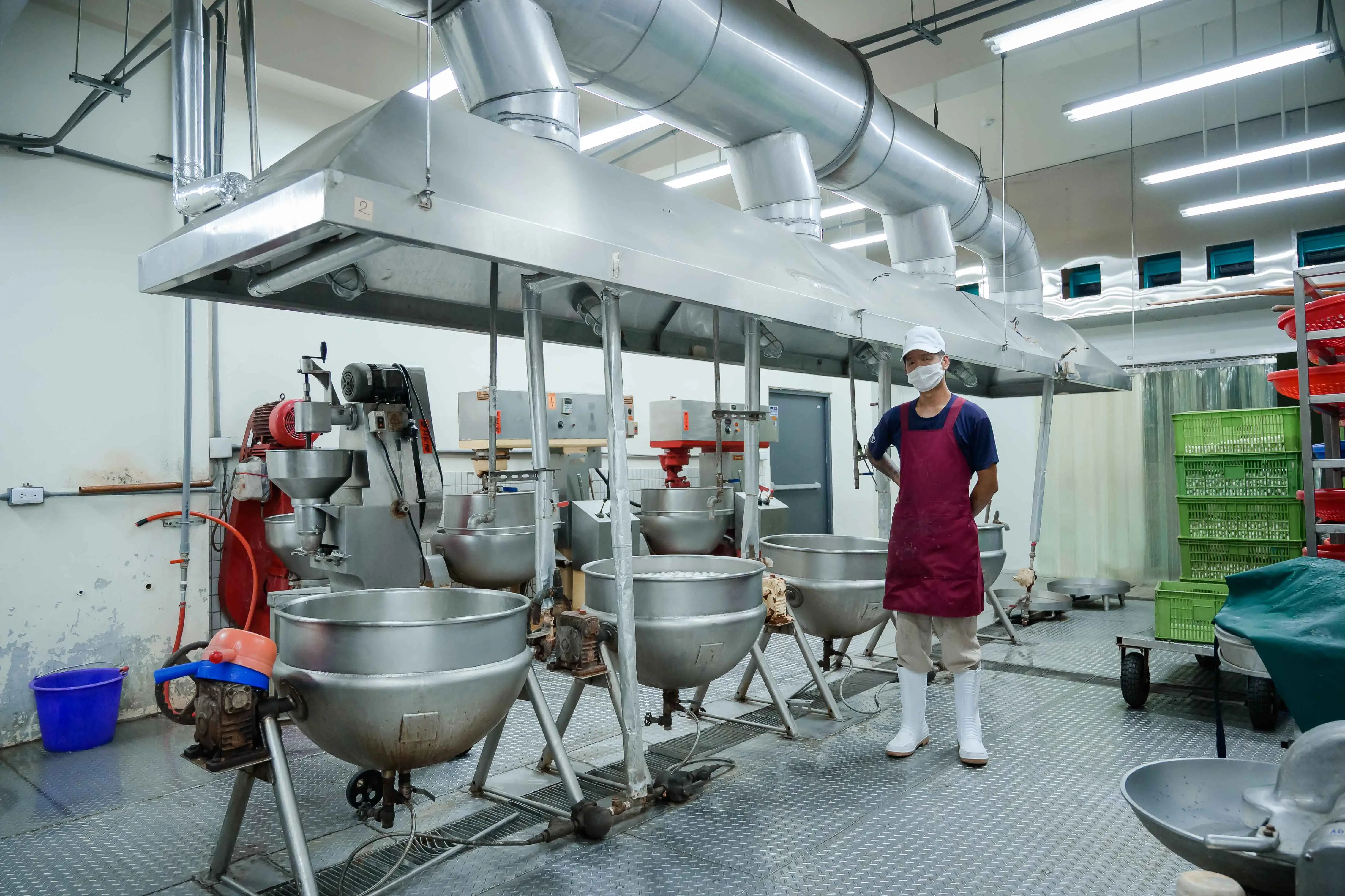
Different ambient stability processing methods — dehydration, retort thermal processing, or preservation through salt, sugar, or acid content — each carry distinct implications for finished product texture, flavor, and appropriate storage guidance, and buyers should understand which method their specific product relies on to set accurate expectations with their own downstream customers or retail partners about the product's characteristics.
- Dehydration removes moisture content to a level that prevents microbial growth, commonly used for dried seafood and snack products
- Retort thermal processing uses heat treatment in sealed packaging, similar to canning, to achieve commercial sterility
- Preservation through salt, sugar, or acid content creates an environment inhospitable to microbial growth without heat processing
Verifying Shelf-Stability Testing Documentation
Buyers should never assume a product is genuinely ambient-stable based on packaging or marketing claims alone, and should instead request specific shelf-stability testing documentation demonstrating the product remains safe and maintains acceptable quality across its claimed shelf life under realistic ambient storage conditions, including the higher temperature and humidity ranges common in many international shipping and storage environments.
1. Request documented shelf-stability testing data covering the product's full claimed shelf life duration
2. Confirm testing conditions represent realistic ambient temperature and humidity ranges for your specific market
3. Verify testing covers both food safety stability and acceptable quality retention, not just microbiological safety alone
Export Certification and Import Compliance Documentation
International food sourcing requires navigating both the exporting country's export certification requirements and the importing country's specific import compliance requirements, and buyers should confirm their Taiwan exporter has genuine, current experience meeting both sets of requirements for their specific target market rather than assuming general food export experience automatically translates to every destination country's requirements.
| Documentation Type | Purpose
Export health certificate | Confirms the product meets Taiwan's export food safety standards
Certificate of origin | Documents the product's country of manufacture for customs and trade purposes
Import market-specific labeling compliance | Confirms packaging and labeling meet the destination market's specific regulatory requirements
Product safety and ingredient documentation | Supports import clearance and any destination market ingredient restriction compliance
Currency, Payment Terms, and International Trade Considerations
International food sourcing transactions typically involve considerations beyond product specification alone, including currency of quotation, payment terms, and trade financing arrangements appropriate for the transaction size and the buyer's relationship history with the exporter. Buyers new to sourcing from Taiwan should clarify these commercial terms clearly alongside product and compliance discussions, since misaligned expectations here can create friction even when the product itself meets every quality and compliance requirement.
- Clarify currency of quotation and how exchange rate fluctuation risk is handled between order and payment
- Discuss payment terms appropriate for a new relationship versus an established, ongoing sourcing partnership
- Consider trade financing or payment security options for larger initial orders with a new exporter

HS Code Classification and Tariff Implications
Correct HS code classification for ambient food products directly affects both customs clearance efficiency and applicable tariff rates in the destination market, and buyers should confirm their exporter provides accurate, consistent HS code documentation for their specific product category, since misclassification can create customs delays or unexpected duty costs upon import.
- Confirm the exporter provides accurate HS code classification specific to your exact product formulation and category
- Verify HS code consistency across shipments to avoid customs delays from inconsistent documentation
- Discuss applicable tariff implications for your specific destination market before finalizing pricing agreements
Packaging Considerations for International Ambient Shipping
Packaging for internationally shipped ambient food products needs to withstand longer transit times, more handling stages, and potentially wider temperature and humidity fluctuations than domestic distribution typically involves, making packaging durability and barrier performance particularly important considerations for international ambient food sourcing.
- Confirm packaging barrier performance is validated for extended international transit conditions, not just domestic shipping
- Evaluate packaging durability against the handling and stacking conditions typical of international freight logistics
- Discuss secondary packaging and case configuration options appropriate for container shipping logistics
Evaluating a Taiwan Ambient Food Exporter
1. Request shelf-stability testing documentation specific to your product and realistic destination market storage conditions
2. Confirm current export certification and the exporter's documented experience with your specific destination market
3. Verify HS code classification accuracy and consistency for your specific product category
4. Evaluate packaging validation for international transit conditions relevant to your shipping route
Working With Freight Forwarders and Customs Brokers
International buyers benefit from coordinating closely between their Taiwan exporter, their chosen freight forwarder, and a customs broker familiar with food product import requirements in their destination market, since documentation gaps or handoff errors between these parties are a common source of customs delays that are otherwise entirely preventable with better upfront coordination.
- Confirm your exporter can work directly with your chosen freight forwarder to ensure documentation consistency
- Engage a customs broker experienced specifically with food product imports in your destination market
- Establish clear document handoff timelines between exporter, forwarder, and broker before the first shipment
Language and Labeling Compliance for Target Markets
Beyond food safety and shelf-stability documentation, buyers should confirm their exporter can support labeling in the language and format required by the destination market, including nutrition labeling formats, allergen declaration requirements, and any market-specific mandatory disclosure language that varies considerably between countries.
Container Loading and Shipment Logistics Considerations
Ambient food products shipped via ocean freight typically travel in standard shipping containers over several weeks, and buyers should confirm their exporter has genuine experience optimizing container loading for food products specifically, including appropriate stacking configuration and any container conditioning needed to manage humidity buildup during extended ocean transit, which can affect product quality even for genuinely shelf-stable items if not properly managed.
- Confirm the exporter has experience with container humidity management appropriate for ambient food products
- Discuss stacking configuration and loading practices that protect packaging integrity during extended transit
- Evaluate whether container conditioning or desiccant use is appropriate for your specific product and shipping route
Sample Shipment and Trial Order Recommendations
Before committing to a large-volume purchase order, international buyers should strongly consider a smaller trial shipment to directly verify that documented shelf-stability, packaging durability, and compliance claims hold up under actual shipping conditions to their specific destination market, since a trial shipment reveals real-world performance in ways that documentation review alone cannot fully replicate.
- Arrange a trial shipment at meaningful but limited volume before committing to a full-scale purchase order
- Inspect product condition and packaging integrity immediately upon trial shipment arrival
- Verify actual customs clearance experience matches the documentation and compliance claims provided by the exporter
Common Mistakes When Sourcing From an Ambient Food Exporter
- Accepting general shelf-stability claims without requesting product-specific testing documentation
- Assuming export certification experience with one market automatically covers a different destination market's requirements
- Overlooking packaging validation specifically for extended international transit conditions
- Failing to confirm HS code and labeling compliance details before finalizing a first international shipment
- Building a Reliable International Sourcing Relationship
International buyers benefit from establishing clear, documented communication processes with their Taiwan exporter covering order forecasting, quality verification, and compliance documentation updates, since international sourcing relationships depend more heavily on proactive, structured communication than domestic sourcing relationships typically require given the added distance and regulatory complexity involved.
Frequently Asked Questions
Q: What makes a food product genuinely 'ambient stable'?
A: Processing methods like drying or thermal processing that allow safe storage at room temperature without refrigeration, verified through testing.
Q: Should I request shelf-stability testing data before importing?
A: Yes — request documentation covering the full claimed shelf life under conditions realistic for your specific market's storage environment.
Q: Does export experience with one country guarantee compliance with my country's import requirements?
A: No — different destination markets have different requirements, so market-specific experience should be verified directly.
Q: Why does HS code classification matter for importing ambient food products?
A: Correct classification affects customs clearance efficiency and applicable tariff rates, and errors can cause delays or unexpected costs.
Q: Does packaging need to be different for international versus domestic shipping?
A: Often yes — international shipping typically involves longer transit and more handling, requiring more robust packaging validation.
Q: What labeling requirements should I confirm with my exporter?
A: Language, nutrition labeling format, allergen declarations, and any mandatory disclosure requirements specific to your destination market.
Q: How can I verify an exporter's shelf-stability claims are genuine?
A: Request specific testing documentation rather than accepting general marketing claims about ambient stability.
Q: What should ongoing communication with an international food exporter cover?
A: Order forecasting, quality verification updates, and any changes to compliance documentation relevant to your market.
Q: What commercial terms should I clarify before a first international order?
A: Currency of quotation, payment terms, and any trade financing or payment security options appropriate for the order size.
Q: Who should coordinate documentation between exporter, forwarder, and customs broker?
A: All three parties should be aligned early, since documentation handoff gaps between them are a common cause of customs delays.
Conclusion

Sourcing ambient food products from a Taiwan exporter for international distribution requires verifying genuine shelf-stability testing documentation, confirming export and import compliance specific to your actual destination market, and evaluating packaging validated for real international transit conditions, rather than relying on general claims or assuming one market's compliance automatically covers another. Buyers who build this verification into their sourcing process consistently avoid the customs delays and quality issues that can otherwise surface only after product has already shipped.
As international demand for shelf-stable, convenient food products continues to grow, working with a Taiwan exporter who demonstrates genuine documentation rigor and destination-market-specific compliance experience offers buyers a meaningfully lower-risk path to reliable, compliant international food sourcing.
Buyers who build systematic documentation verification into their exporter qualification process ultimately establish the most dependable long-term international sourcing relationships for ambient food products.
Combining that documentation rigor with a genuine trial shipment and close coordination across the full logistics chain gives international buyers the strongest possible foundation for scaling an ambient food sourcing relationship with confidence.
Understanding which specific processing method underlies a product's ambient stability, and confirming that this method's storage guidance is clearly communicated through to the final retail shelf, closes the loop between production quality and the actual customer experience an international buyer is ultimately responsible for delivering.
Clarity on commercial terms alongside product and compliance verification rounds out a sourcing approach that protects buyers from the kind of avoidable friction that can otherwise strain an otherwise promising new supplier relationship.
Meta Description: A guide for international buyers sourcing ambient (shelf-stable) food products from a Taiwan exporter, covering shelf-stability testing documentation, export certification, and import compliance evaluation.